
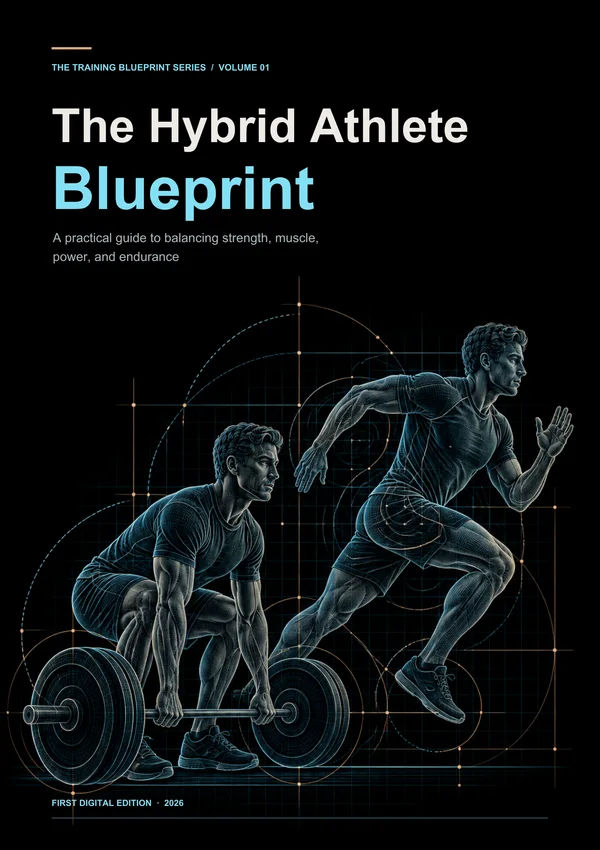
STRENGTH + ENDURANCE
The Hybrid Athlete Blueprint
A clearer way to balance strength, muscle, power, and endurance.
EVIDENCE. UNDERSTANDING. TRAINING.
Understand the science behind your training.
Explore the ideas. Build your own perspective.
01 / THE JOURNAL
 FIELD NOTES / 001
Programming 4 min read
Understand goals, training volume, exercise choices, effort, and progression through five questions, with research context and a worked planning example.
Read the articleFIND YOUR STARTING POINT
Three short reading paths. Pick a question and connect the ideas at your own pace.
How we use evidence02 / THE COLLECTION
Illustrated guides that connect the research
with the decisions behind your training.
STRENGTH + ENDURANCE
A clearer way to balance strength, muscle, power, and endurance.
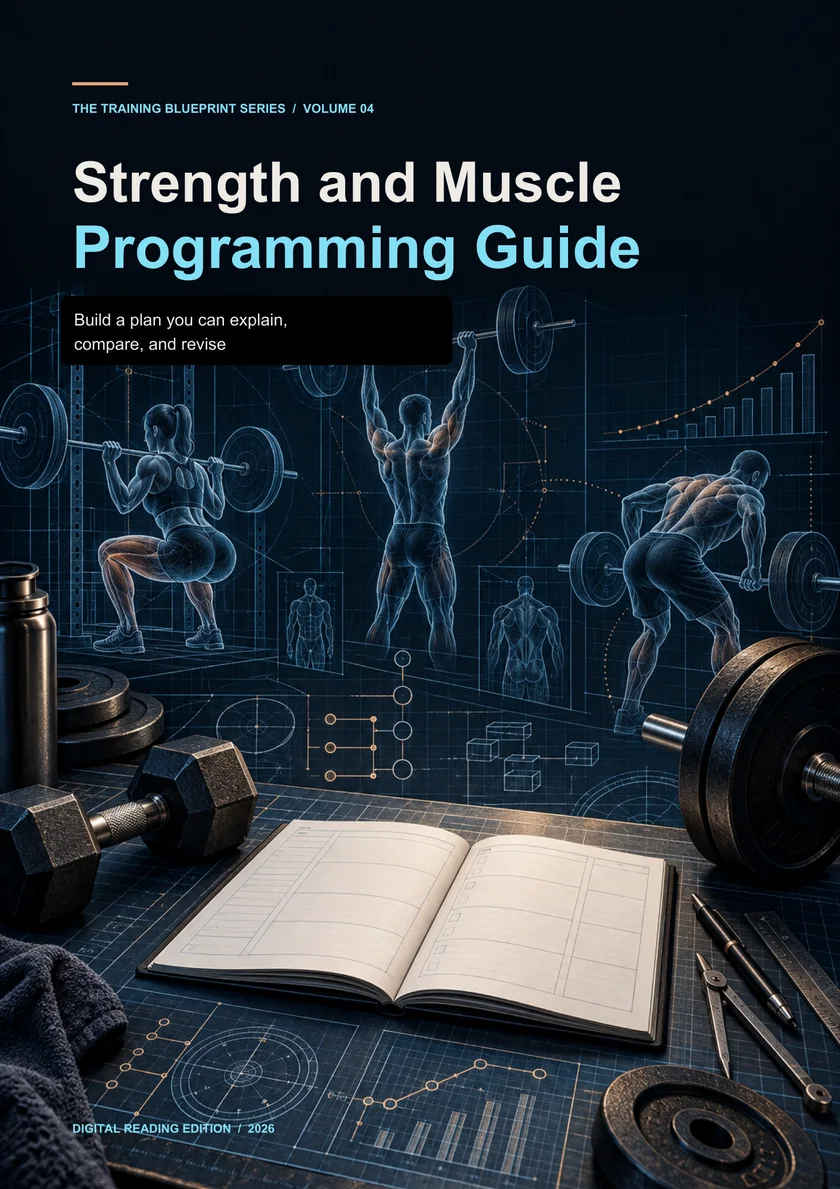
STRUCTURE + PROGRESSION
Build a plan you can explain, compare, and revise.
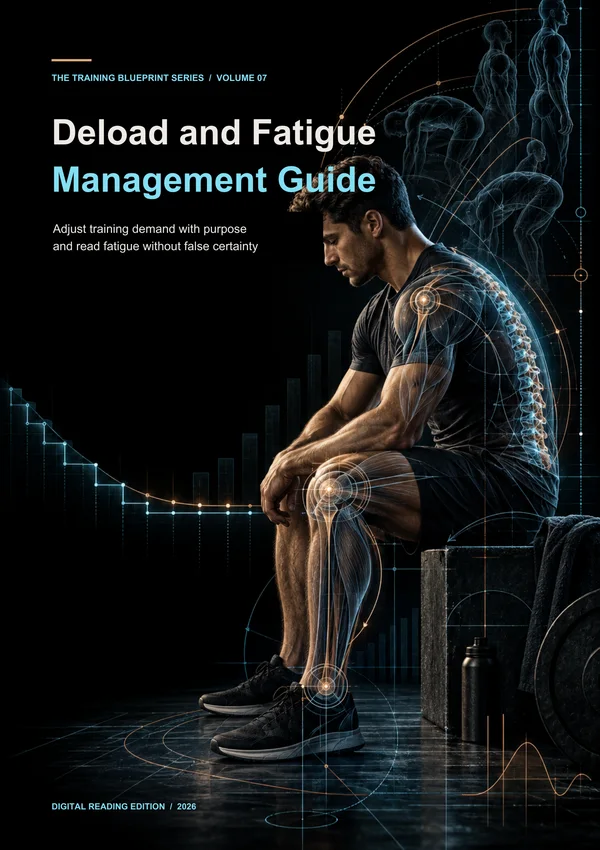
FATIGUE + RECOVERY
Make lighter periods serve a clear purpose.
03 / OUR APPROACH
Training is full of confident answers.
We believe the questions matter just as much.
Research-based claims should lead back to identifiable sources, with enough context to understand what was studied.
A group average is not a personal prediction. Limitations belong beside the finding, not hidden beneath it.
Practical frameworks and fictional scenarios help explain a decision. They are labelled as illustrations, not scientific results.